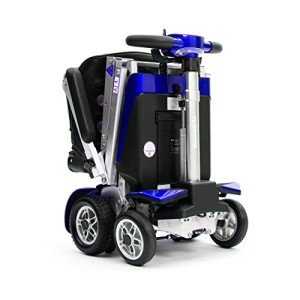
Mobility Scooters Near Me: A Comprehensive Guide to Accessible Transportation
For people with mobility concerns, particularly older adults and those recuperating from injuries or surgical treatments, keeping independence and mobility is crucial. Mobility scooters have actually become an important service, offering a reputable and comfy ways of transport for those who find walking challenging. However, finding the ideal mobility scooter and comprehending the alternatives available can be overwhelming. This guide aims to streamline the process of finding and selecting a mobility scooter near you, guaranteeing that users can confidently navigate their every day lives.
What is a Mobility Scooter?
A mobility scooter is a motorized vehicle developed to help individuals with limited mobility. Generally, these scooters include a comfortable seat, handlebars for steering, and a battery-powered motor that propels the lorry. They are perfect for both indoor and outdoor usage, allowing users to travel longer distances without tiredness. Mobility scooters come in a variety of sizes and styles, each catering to various needs and environments.
Types of Mobility Scooters
Before diving into the procedure of discovering a mobility scooter near you, it's necessary to understand the different types readily available:
1. Three-Wheel Scooters
- Pros: More maneuverable, specifically in tight spaces.
- Cons: Less steady on irregular surface.
2. Four-Wheel Scooters
- Pros: More stable, much better matched for outside use and unequal surface areas.
- Cons: Larger turning radius, might need more space.
3. Portable Scooters
- Pros: Lightweight and easy to dismantle for transportation.
- Cons: May have restricted battery life and speed.
4. Durable Scooters
- Pros: Built to support much heavier users and bring more weight.
- Cons: Larger and less portable.
5. Standing Scooters
- Pros: Ideal for users who choose standing or have limited seating choices.
- Cons: May not be as comfortable for longer trips.
How to Find a Mobility Scooter Near You
1. Regional Retail Stores
- Pros: Ability to evaluate the scooter before buying, instant availability.
- Cons: Limited choice, greater prices.
- Tips: Visit stores like Walmart, Target, or regional medical supply stores. Ask if they offer test drives or have designs on display.
2. Online Shops
- Pros: Wide choice, competitive pricing, comprehensive product evaluations.
- Cons: Can not test the scooter face to face, possible shipping hold-ups.
- Tips: Websites like Amazon, Alibaba, and specialized mobility scooter sellers use comprehensive options. Check out reviews and compare features before making a purchase.
3. Rental Services
- Pros: Ideal for short-term needs, no long-term commitment.
- Cons: Costly gradually, limited accessibility in some locations.
- Tips: Check with regional medical equipment rental business or online platforms like RentACenter. Make sure the rental arrangement covers maintenance and support.
4. Second-Hand Markets
- Pros: More budget friendly, frequently properly maintained.
- Cons: Risk of buying a defective item, absence of service warranty.
- Tips: Explore classifieds, Facebook Marketplace, and specialized pre-owned mobility devices stores. Examine the scooter completely and ask for upkeep records.
5. Community Resources
- Pros: Local support and suggestions, potential for subsidies or grants.
- Cons: Availability might differ by place.
- Tips: Contact local senior centers, disability organizations, and community health clinics. They typically have info on regional resources and programs.
Elements to Consider When Choosing a Mobility Scooter
1. User Needs
- Mobility Level: Assess the user's ability to walk, move, and handle the scooter.
- Weight Capacity: Ensure the scooter can support the user's weight.
- Indoor/Outdoor Use: Determine if the scooter will be used primarily indoors, outdoors, or both.
2. Scooter Features
- Battery Life: Longer battery life is essential for extended usage.
- Speed and Range: Consider the speed and range needed for everyday activities.
- Portability: If travel is a top priority, try to find light-weight and collapsible options.
- Seating: Comfortable and adjustable seating is essential for extended usage.
- Storage: Check for storage choices for personal products.
3. Budget
- Cost: Mobility scooters can range from a couple of hundred to several thousand dollars.
- Financing Options: Explore funding choices, insurance coverage, and government support programs.
4. Upkeep and Support
- Guarantee: Ensure the scooter features a thorough warranty.
- Service Centers: Check the schedule of local service centers for upkeep and repair work.
- Client Support: Look for producers with great consumer support and user resources.
Frequently Asked Questions About Mobility Scooters
Q: Are mobility scooters simple to use?
- A: Yes, the majority of mobility scooters are created with easy to use controls. They generally have basic steering, speed controls, and braking systems. Nevertheless, it's constantly a great concept to practice in a regulated environment before utilizing them in public.
Q: Can I use a mobility scooter indoors?
- A: Absolutely! disabled scooters near me of mobility scooters are created for both indoor and outside usage. They are particularly useful in large homes or business structures where long distances require to be covered.
Q: How much does a mobility scooter cost?
- A: The cost of a mobility scooter can differ commonly depending upon the type, brand, and features. Standard designs can begin around ₤ 300, while advanced and sturdy scooters can cost numerous thousand dollars. Look for financing options and government assistance to make it more budget-friendly.
Q: Do I require a prescription to buy a mobility scooter?
- A: No, a prescription is not needed to acquire a mobility scooter. However, speaking with a doctor can assist figure out the very best type of scooter for your specific requirements.
Q: Can I get insurance coverage for a mobility scooter?
- A: Some health insurance coverage policies, consisting of Medicare and Medicaid, might cover the cost of a mobility scooter under particular conditions. Talk to your insurance provider for information.
Q: How do I keep my mobility scooter?
- A: Regular upkeep is essential to keeping your mobility scooter in great working condition. This consists of:
- Charging the Battery: Follow the maker's guidelines for battery charging.
- Examining Tires: Ensure tires are correctly inflated and in good condition.
- Checking Brakes and Lights: Regularly examine the brakes and lights for appropriate functioning.
- Cleaning up: Wipe down the scooter and keep it clean to avoid deterioration and wear.
Leading Mobility Scooter Brands
1. Pride Mobility
- Pros: Known for high-quality and long lasting scooters.
- Cons: Can be pricier than some other brand names.
- Designs: Pride Go-Go Elite, Voyager 4-Wheel Scooter.
2. Golden Technologies
- Pros: Offers a large range of models, including portable and sturdy scooters.
- Cons: Some designs may have limited speed and range.
- Models: Golden Travelmate 3, Golden Companion 4-Wheel.
3. Rascal Mobility
- Pros: Affordable and reliable choices.
- Cons: Limited client support in some locations.
- Designs: Rascal 20D, Rascal 40.
4. Drive Devilbiss Healthcare
- Pros: Innovative functions and easy to use styles.
- Cons: Higher-end designs can be expensive.
- Models: Drive GX Warrior 4-Wheel Scooter, Drive Medical Roadster 3.
5. Benefit Mobility
- Pros: Versatile and budget-friendly models.
- Cons: Some users report less resilience compared to top-tier brands.
- Designs: Merit Heavy Duty 3 Wheel Scooter, Merit 4 Wheel Foldable Scooter.
Tips for Safe Use of Mobility Scooters
1. Check out the Manual
- Why: Understanding the operation and maintenance of your scooter is important for security.
- How: Make sure to read the user handbook thoroughly before utilizing the scooter.
2. Use Protective Gear
- Why: Protective gear can lower the threat of injury in case of a mishap.
- How: Wear a helmet, gloves, and suitable footwear.
3. Observe Traffic Rules
- Why: Following traffic guidelines guarantees safe and responsible usage of your scooter.
- How: Use designated bike lanes or sidewalks, and obey traffic signs and signals.
4. Regular Maintenance
- Why: Regular upkeep keeps your scooter in ideal condition and extends its life expectancy.
- How: Check the battery, tires, brakes, and lights regularly. Arrange expert maintenance as needed.
5. Stay Visible
- Why: Visibility is important, especially during low-light conditions.
- How: Use reflective equipment, lights, and flags to increase visibility.
Discovering the right mobility scooter near you is a critical action towards preserving independence and improving quality of life. By comprehending the different types of scooters, considering your specific requirements, and exploring various sources, you can make an informed decision. Whether you pick a local shop, an online merchant, or a rental service, the key is to discover a scooter that satisfies your requirements and fits your budget. With the right mobility scooter, you can delight in the flexibility to move with ease and self-confidence.
Extra Resources
- Regional Senior Centers: Often know on mobility scooters and local resources.
- Disability Organizations: Provide insights and support for individuals with mobility concerns.
- Federal Government Assistance Programs: Check for grants or subsidies that can assist cover the cost.
- Online Reviews and Forums: Read user experiences and ask concerns in mobility scooter online forums.
By putting in the time to research study and select the best mobility scooter for your requirements, you can delight in a much safer, more comfy, and more independent way of life.